Walk into a Savile Row tailor and you’ll often hear the term House Cut mentioned with pride. It’s the tailor’s signature silhouette, their way of saying: “This is who we are.” You can almost identify the maker before you even look at the label. The slightly roped shoulder, the nipped waist, the high armhole. Each detail part of a visual language that’s been refined, protected, and passed down for generations.
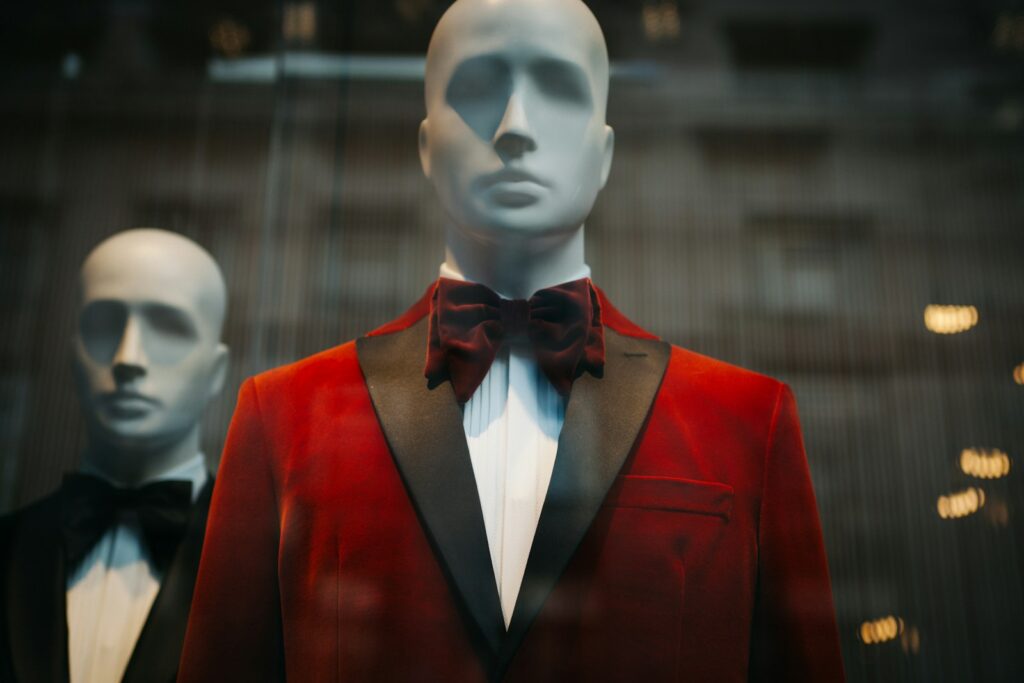
It’s a beautiful concept, and in many ways, it’s what built the mythology of British tailoring. Anderson & Sheppard have their drape tailoring. Huntsman have that clean, military precision. Gieves & Hawkes lean towards structure and order. Each house has its own rhythm, its own visual accent.
But at Edinburgh Tailoring Company, we don’t have one. Not because we couldn’t, but because we don’t believe in it.
A House Cut, by definition, is about the house. The tailor’s identity, not the client’s. It’s the shop’s signature on your sleeve. And while that can be comforting to those who want to feel part of a heritage, it also creates a quiet limitation. You walk in, and before you’ve even been measured, your silhouette has already been decided.
We believe in something different. We believe the cut should come from you.
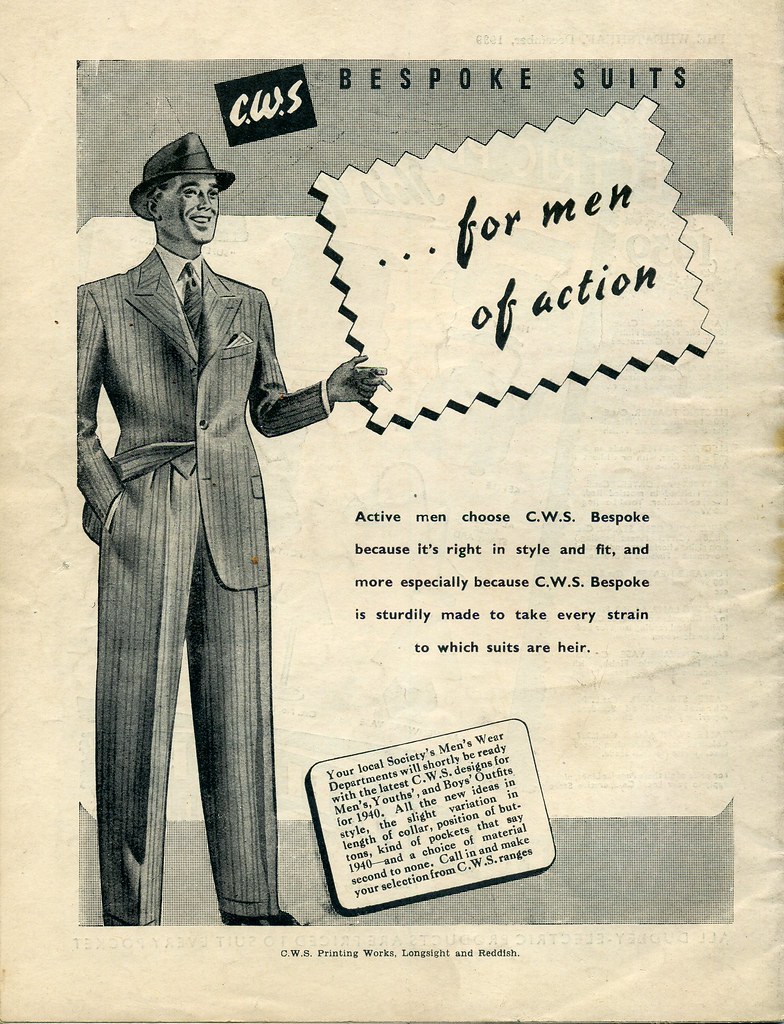
We work with people of every build, age, gender, and background. One day we’re fitting a finance director who wants a sharp three-piece to project confidence; the next, we’re building an unstructured linen suit for an artist who hates the feeling of wearing one. There’s no such thing as a single cut that works for both. The cloth changes, the purpose changes, and most importantly, the person changes.
That’s why we don’t hold one silhouette sacred. We hold fit sacred. The architecture of balance, proportion, and comfort is our constant. But how those elements combine? That’s up to the person standing in front of the mirror.
Of course, we have preferences. We like a jacket that sits naturally on the shoulders, that flatters the waist without pulling, that lets you move. We like trousers that hang cleanly, not cling. We’re drawn to classic shapes that feel contemporary rather than trendy. But these are guiding principles, not fixed laws. A good tailor knows how to flex, not dictate.
The truth is, a House Cut can be a comfort blanket for a tailoring brand. It’s a way of saying, “This is our style, take it or leave it.” But bespoke, at its core, is supposed to be the opposite of that. It’s not about identity through imitation; it’s about identity through individuality.
Every so often, we’ll have a client ask, “What’s your cut like?” And the answer is: It depends on you. That usually earns a pause, followed by a small smile, because that’s when they realise they’re not here to fit into our idea of perfection, they’re here to define their own.
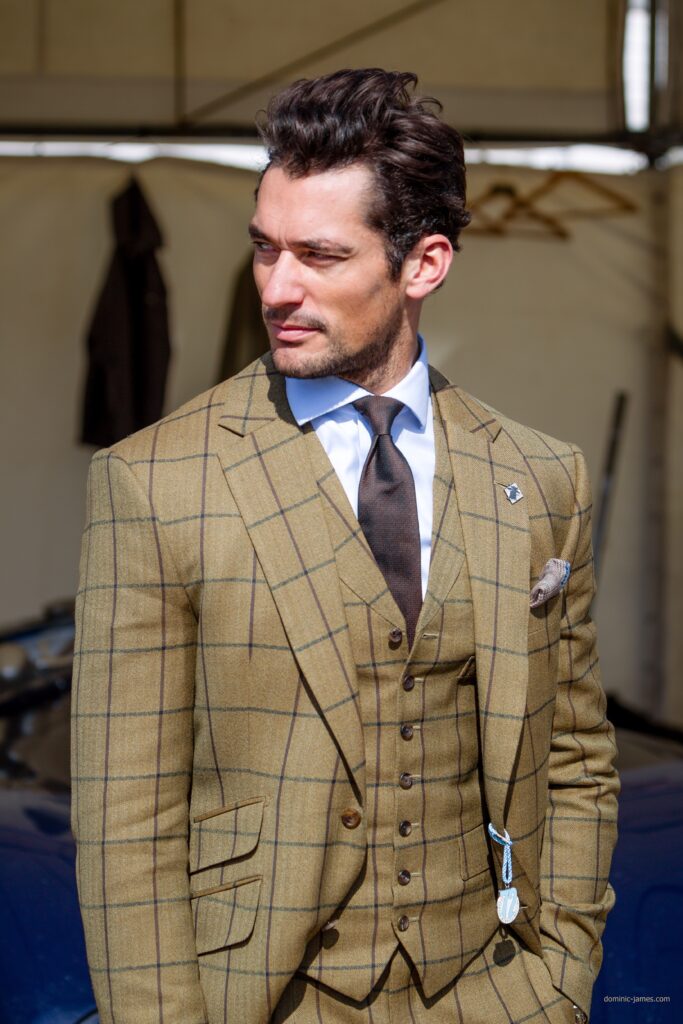
We’ve seen the same person transformed by a suit that truly fits them. The posture changes. Shoulders relax naturally. There’s a quiet confidence that no brand cut can replicate. That’s the magic of tailoring when it’s done right. When it’s about the person, not the house.
If we ever had a House Cut, it would be a ready to wear range. Because every pattern that leaves our studio belongs to someone else’s story, not ours. And we rather like it that way.
So perhaps our “house style” is simply this: we listen first.
Over to you:
What do you think? Should a tailor have a signature style, or should every suit start with a blank page? Let us know your thoughts below.